 how-to
How to Avoid Hidden Bathroom Renovation Costs
Table of Contents
- Where Bathroom Renovation Costs Hide
- Set a Bathroom Renovation Contingency Fund
- Understand Bathroom Installation Building Regulations
- Plan a Realistic Bathroom Renovation Timeline
- Get a Detailed Quote and Ask the Right Questions
- Avoid Common Mistakes That Inflate Bathroom Renovation Costs
- Final Checklist for a Cost-Controlled Bathroom Project
- Frequently Asked Questions
Last Updated: September 5, 2026
Where Bathroom Renovation Costs Hide
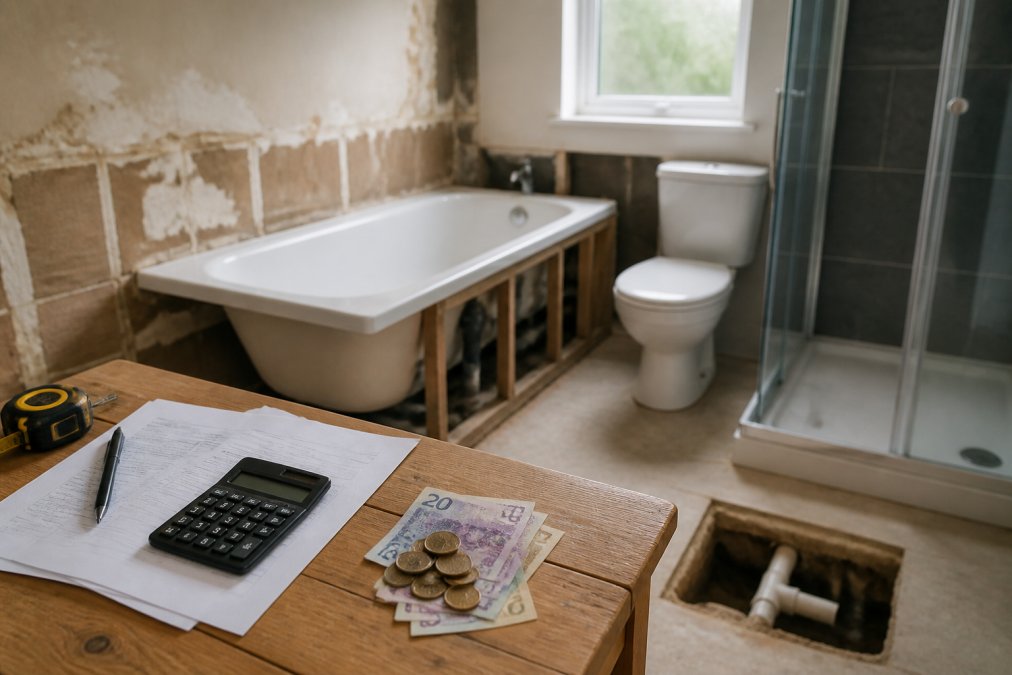
Unexpected expenses are the single fastest way to blow a bathroom renovation budget, and they almost never appear on the initial quote. At Jewel Plumbing, we have guided countless homeowners through luxury refurbishments across Knowle and Solihull, and the pattern is always the same: the visible costs are manageable, while the hidden ones accumulate quietly behind walls and under floors.
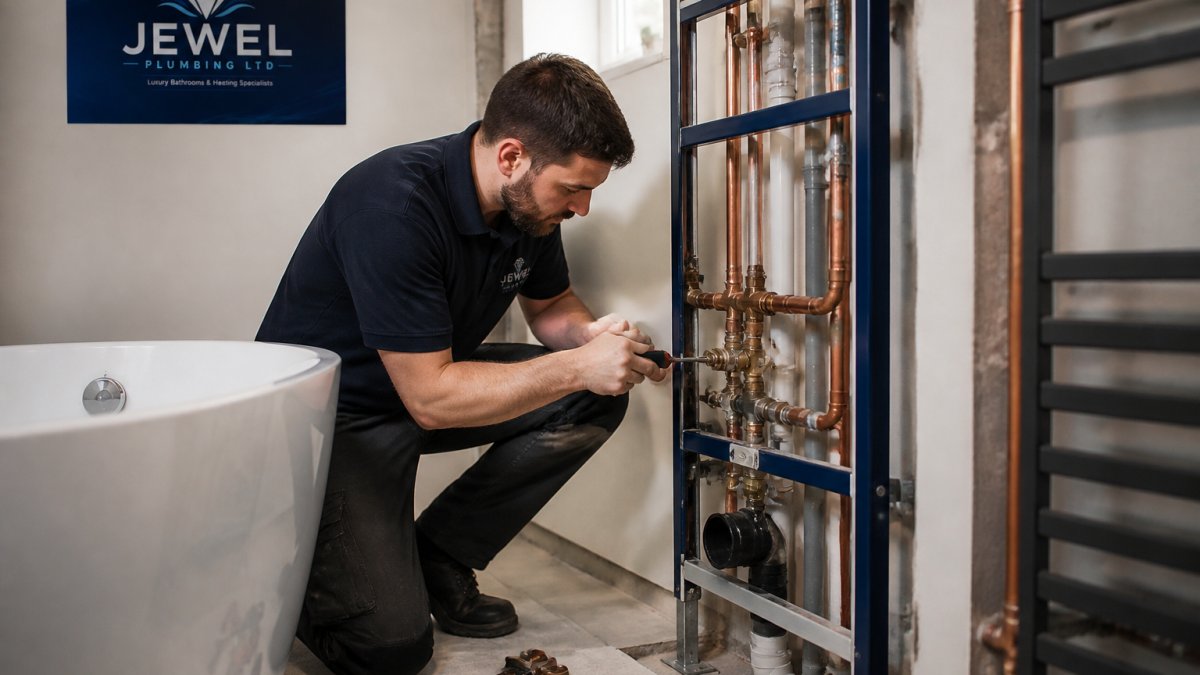
The most common culprits include outdated pipework that fails once disturbed, insufficient ventilation that was never installed correctly, and subfloor damage revealed only after old tiles are lifted. Electrical work, waterproofing membranes, and waste pipe rerouting also tend to surface mid-project. These items are not exotic; they are standard realities of working in older British homes.
Set a Bathroom Renovation Contingency Fund
A bathroom renovation contingency fund is a dedicated portion of your total budget, typically 10-15 percent, held back specifically for unforeseen work. This is the most effective tool you have to avoid hidden bathroom renovation costs spiralling out of control.
Think of it as insurance, not pessimism. When a tradesperson opens a wall and finds corroded copper pipes or outdated wiring, the work must happen regardless. The contingency ensures that discovery does not halt your project or force compromises elsewhere.
- Set the fund aside before any work begins
- Treat it as untouchable unless genuinely required
- Track every expense against it in writing
- Return any unused portion to your main budget at the end
Understand Bathroom Installation Building Regulations
Bathroom installation building regulations exist to protect your safety and your property value, and ignoring them creates costs that dwarf any saving from skipping approvals. In the UK, most bathroom alterations fall under Building Regulations, particularly where drainage, ventilation, or electrical work is involved.
Electrical work in a bathroom is legally required to be certified under Part P of the Building Regulations. Without the certificate, you may face significant costs if you ever sell the house, as solicitors will flag the missing paperwork. Similarly, ventilation standards exist to prevent condensation and mould, which can damage the structure over time.
A professional installer will handle these approvals as part of the service. If you are coordinating the project yourself, budget both the application fees and the time required, and check the official guidance on bathroom alterations and Building Regulations before any work starts.
Plan a Realistic Bathroom Renovation Timeline
The bathroom renovation timeline is where hidden costs most often creep in, because delays translate directly into wasted money. A typical full refurbishment takes between two and four weeks, but that assumes no surprises and no waiting for materials.
Rushed timelines create mistakes, and mistakes create rework. The most cost-effective approach is to plan for the unexpected: order tiles and sanitaryware before demolition begins, confirm your plumber's availability, and avoid starting work during peak holiday periods when suppliers run reduced stock.
A realistic timeline also protects your budget from the cost of temporary living arrangements. If you only have one bathroom, every extra day of renovation means additional expense elsewhere. Discuss the schedule in writing with your installer and agree on milestones before the first tile is removed.
Get a Detailed Quote and Ask the Right Questions
A vague quote is the first warning sign of hidden bathroom renovation costs. A proper quote itemises labour, materials, waste removal, and any specialist subcontractor work, giving you a clear picture before you commit.
Ask direct questions about what the price does and does not include. Will the old suite be disposed of, or is that extra? Does the quote cover new pipework to the existing connections, or only the visible fittings? Is the waterproofing membrane included, or is it an upgrade? These are not trivial details; they are the difference between a final bill and an estimate.
Reputable firms welcome these questions because they have nothing to hide. When comparing quotes, be wary of any figure significantly lower than the others. A cheap quote usually means omitted work, not genuine savings. As documented in guidance on avoiding rogue traders and getting reliable quotes, always confirm the trader's details and get multiple written quotes before committing.
Avoid Common Mistakes That Inflate Bathroom Renovation Costs
Several recurring mistakes push bathroom renovation costs higher than they need to be, and all of them are avoidable with planning. The most damaging is changing your mind mid-project, which strands paid-for materials and adds labour for rework.
- Changing tiles or sanitaryware after ordering
- Hiring the cheapest quote without checking credentials
- Ignoring ventilation requirements until mould appears
- Starting work without confirming the waste removal plan
- Skipping the building regulations approval process
Another frequent error is focusing entirely on the visible finish while neglecting the structural work behind it. A beautiful bathroom built on poor pipework will fail within years, and the repair cost will exceed the original installation. The Homeowners Alliance guidance on planning a bathroom renovation reinforces that structural integrity matters more than cosmetic appeal.
Final Checklist for a Cost-Controlled Bathroom Project
Keeping your project on budget comes down to preparation, not luck. Work through this checklist before any work begins to avoid hidden bathroom renovation costs appearing later.
- Set a contingency fund of 10-15 percent of the total budget
- Confirm Part P certification is included for all electrical work
- Agree a written timeline with milestones and dates
- Obtain a fully itemised quote covering labour, materials, and waste
- Ask what happens if unforeseen issues are discovered
- Order all tiles and sanitaryware before demolition starts
- Verify ventilation requirements for your specific bathroom size
- Confirm who holds responsibility for building regulations approval
| Project Stage | Key Action | Cost Risk If Skipped |
|---|---|---|
| Planning | Set contingency fund | Full cost of surprises from your pocket |
| Quoting | Demand itemised breakdown | Vague extras added during work |
| Compliance | Confirm Part P certification | Legal issues and rework at sale |
| Timelines | Order materials early | Delays and temporary living costs |
| Installation | Avoid mid-project changes | Stranded materials and extra labour |
For homeowners in Knowle and Solihull planning a premium refurbishment, working with an experienced team removes most of these risks before they materialise. A professional installation protects your investment through certified workmanship and transparent quoting.
Hidden costs do not have to define your renovation. The challenge is that most homeowners discover them only after work begins, when options narrow and pressure rises. Jewel Plumbing specialises in luxury bathroom installations across the West Midlands, delivering 5-star rated craftsmanship with transparent, detailed quoting from the first conversation. Our team handles the full scope, from pipework to certification, so your project stays controlled from start to finish. Get started with Jewel Plumbing and keep your bathroom renovation costs exactly where they should be.
Frequently Asked Questions
What are the most common hidden costs in a bathroom renovation?
The most common hidden costs are structural issues like rotten floorboards or outdated pipework, which only become visible once the old suite is removed. Other frequent surprises include unexpected plastering work, the need to upgrade electrical circuits to meet current regulations, and the cost of making good walls and floors. You can reduce the risk of these hidden bathroom renovation costs by asking for a detailed survey before work starts and ensuring your quote includes a clear process for handling unforeseen issues.
How much should I set aside for a contingency fund for my bathroom renovation?
A good rule of thumb is to set aside 10-20% of your total budget as a bathroom renovation contingency fund. This buffer exists to cover the unexpected, such as finding outdated plumbing that needs replacing or discovering damp behind existing tiles. If you do not use the fund, you can put it towards premium fixtures or an upgraded shower. Discuss how contingency is managed with your installer before work begins so you both agree on when it can be released.
Does a bathroom renovation require Building Regulations approval?
Most bathroom renovations do not need full planning permission, but many do require compliance with bathroom installation building regulations. You must notify your local building control department if you are installing a new toilet or changing the drainage system, and any new electrical work must comply with Part P regulations. A competent installer will handle this notification and provide the necessary certificates on completion, which is important for your home's records and future sale.
How can I tell if my bathroom plumbing needs a full upgrade?
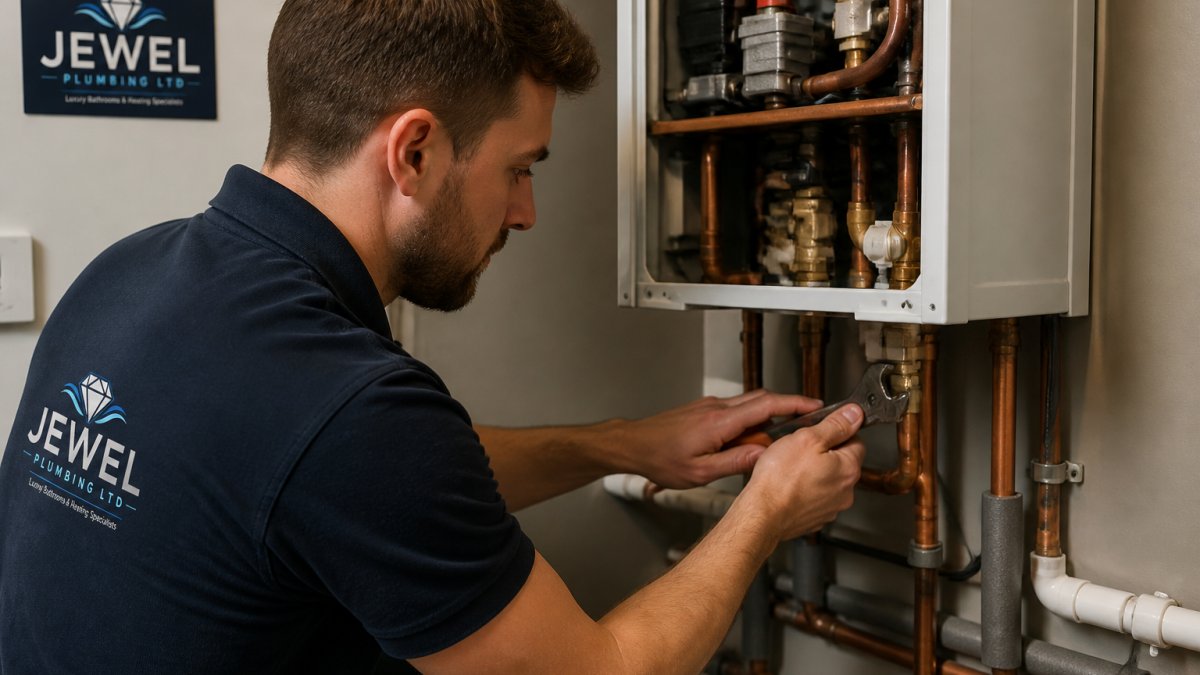
If your home has older pipework, a full upgrade might be necessary. Signs include low water pressure, noisy pipes, or visible corrosion on exposed sections. A professional plumber can carry out a condition check during the quote stage to assess the existing pipework and supply pipes. This inspection is the most reliable way to avoid hidden bathroom renovation costs, as it identifies potential problems before the old bathroom is ripped out.
This article was written using GrandRanker