 how-to
How to Prevent Burst Pipes in Winter: 7 Essential Steps
Table of Contents
- Introduction: Why Winter Pipes Burst and What's at Stake
- What You'll Need: Tools and Materials for Pipe Protection
- Step 1: Insulate Pipes and Tanks to Prevent Burst Pipes
- Step 2: Locate and Test Turning Off the Stopcock
- Step 3: Recognise the Signs of a Frozen Pipe
- Step 4: How to Thaw Frozen Pipes Safely
- Step 5: Maintain Heating and Prevent Burst Pipes During Cold Spells
- Common Mistakes to Avoid When Preventing Burst Pipes
- Frequently Asked Questions
Last Updated: September 22, 2026
Introduction: Why Winter Pipes Burst and What's at Stake
Knowing how to prevent burst pipes in winter is one of the most valuable skills a homeowner can have. When water freezes inside a pipe, it expands with enormous force. That pressure cracks the pipe wall, and when the ice melts, water pours out. At Jewel Plumbing, we see the results every cold snap: soaked ceilings, ruined floors, and emergency call-outs that could have been avoided.
The damage is rarely just inconvenience. A burst pipe can flood a loft in minutes and leave you without heating or running water for days. The good news is that most bursts follow a predictable pattern, and every step in that pattern can be interrupted. Below, we'll show you exactly how to protect your home before the first hard frost.
What You'll Need: Tools and Materials for Pipe Protection
Gather your supplies before temperatures drop. Most items are inexpensive and available at any hardware shop.
- Foam pipe lagging (also called pipe insulation)
- A roll of insulation tape
- A stopcock key if your valve sits in a pavement chamber
- A torch and old towels
- A hot water bottle or hairdryer for thawing
- A thermometer for the loft or garage
The whole kit costs very little, and it takes an afternoon to fit. That afternoon is the difference between a quiet winter and a flooded one.
Step 1: Insulate Pipes and Tanks to Prevent Burst Pipes
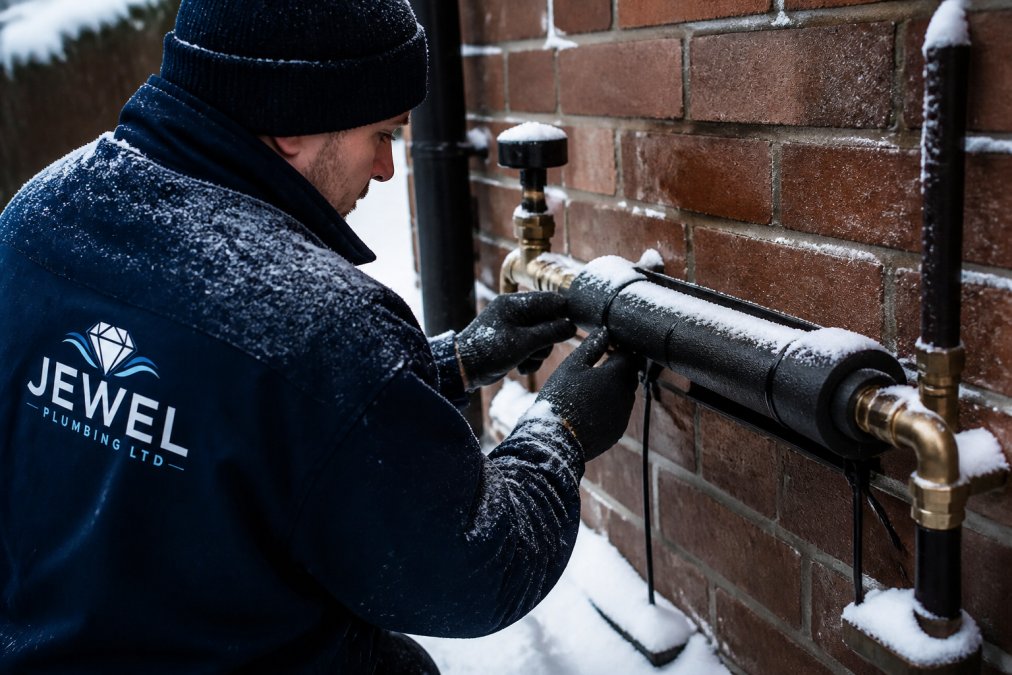
Insulation is the single most effective way to prevent burst pipes. Foam lagging slows heat loss so the water inside stays above freezing. Fit it to every pipe in unheated spaces: the loft, the garage, under the floor, and along outside walls.
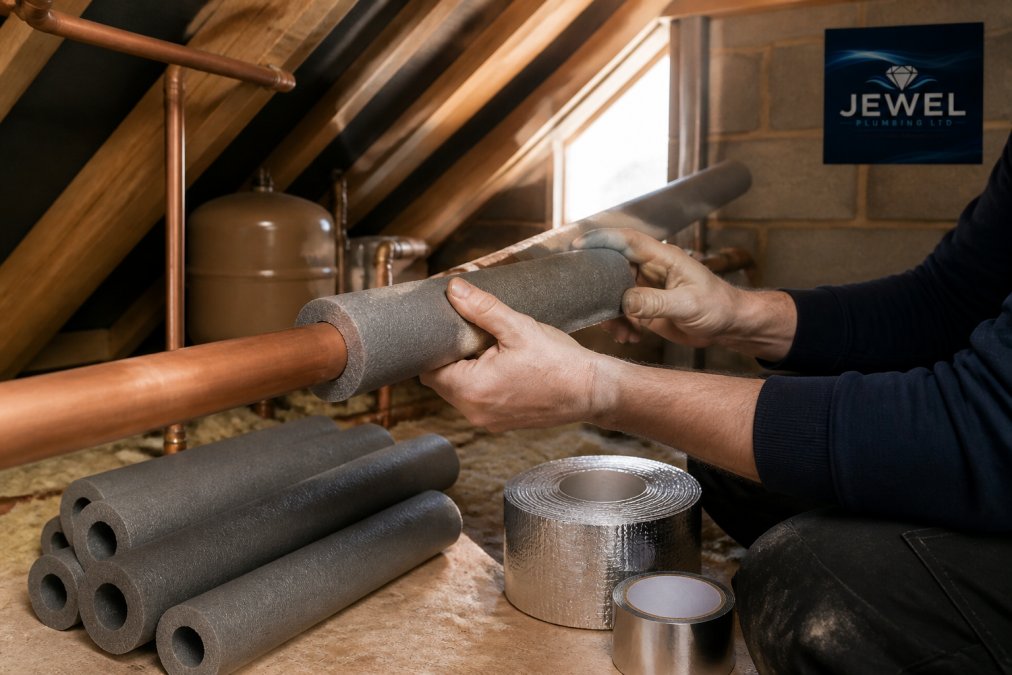
Pay extra attention to joints, bends, and valves. These spots freeze first because they hold less water and sit closer to cold air. Wrap them twice.
Cold water tanks in the loft need a jacket too. Fit an insulated cover over the tank and lag every pipe feeding it. If your loft has no insulation between the joists, add it. The Energy Saving Trust guidance on home insulation explains how loft insulation also cuts your heating bills.
Step 2: Locate and Test Turning Off the Stopcock
Turning off the stopcock is the first thing you should do if a pipe bursts, so find it now, not in an emergency. The internal stopcock is usually under the kitchen sink or in a downstairs cupboard. Some homes also have an external valve in a small chamber at the boundary.
Test it today. Turn it clockwise until it stops, then run a tap to confirm the water dies. If it's stiff or won't close fully, call a plumber before winter arrives. A stopcock that jams mid-flood is a disaster on its own.
Step 3: Recognise the Signs of a Frozen Pipe
The signs of a frozen pipe are easy to miss if you don't know what to check. The most common clue is a tap that runs to a trickle or stops altogether. Others include:
- Frost visible on the outside of a pipe
- A gurgling or banging sound when you run a tap
- No water from one tap while others still work
- A toilet cistern that won't refill
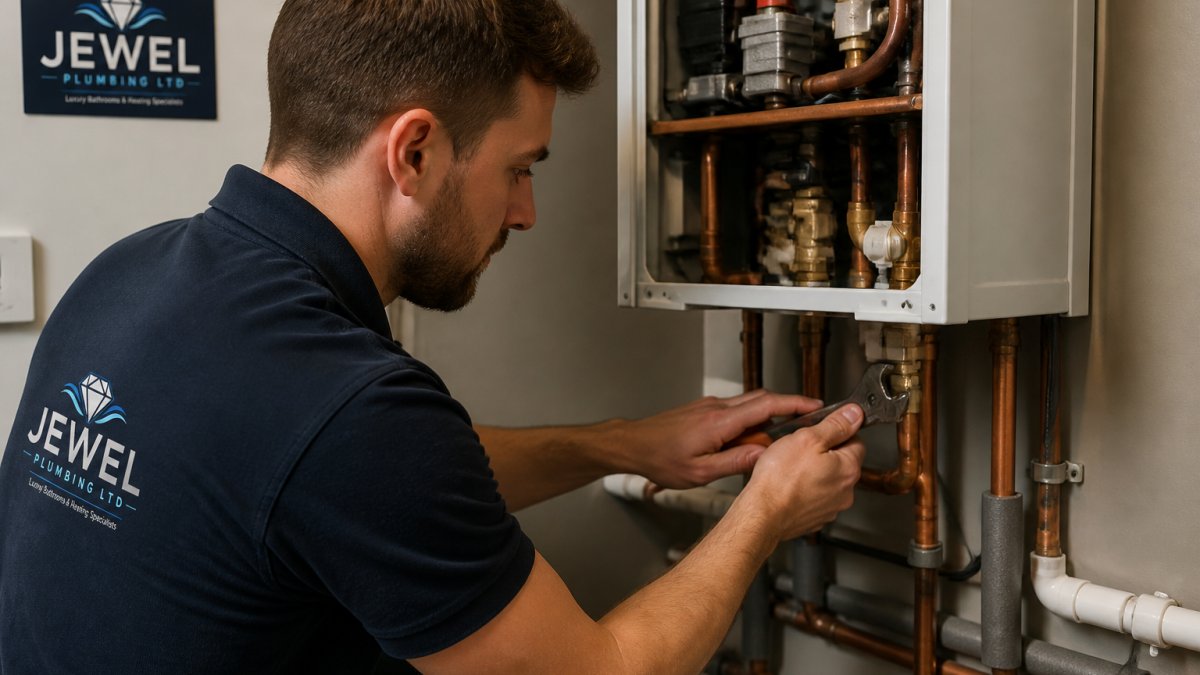
- A boiler that locks out or shows a low-pressure fault
If you spot any of these, act fast. A frozen pipe is not yet a burst pipe. Thaw it carefully and you may avoid damage completely.
What to Look For: Symptoms and Checks
Check the pipes most exposed to cold first: those in the loft, garage, and against outside walls. Feel along them for frost or a bulge. If one section feels colder than the rest, that's your freeze point.
Step 4: How to Thaw Frozen Pipes Safely
Learning how to thaw frozen pipes safely protects both you and your home. Start at the end nearest the tap and work backwards toward the frozen section. This lets melting water escape rather than stay trapped and build pressure.
Safe Thawing Techniques and What to Avoid
Use gentle, steady heat. A hot water bottle, warm towels, or a hairdryer on a low setting all work well. Keep the hairdryer moving so you don't overheat one spot.
Never use a blowtorch or naked flame. Never pour boiling water directly onto a pipe, as the sudden change in temperature can crack it. If the pipe is behind a wall or under a floor, or if you can't reach it, call a professional. Jewel Plumbing handles emergency thawing and repairs across the region, and our team is rated five stars by customers for fast, careful work.
Step 5: Maintain Heating and Prevent Burst Pipes During Cold Spells
Keeping the heating on is the simplest way to prevent burst pipes during a cold spell. Set your thermostat to a low background temperature, around 12 to 15°C, even when you're out or away. This keeps the whole system warm enough to stop water freezing.
Open loft hatches and cupboard doors during a freeze. This lets warm air reach pipes that would otherwise sit in the cold. If you're going away for more than a day, leave the heating on its lowest setting rather than switching it off.
For peace of mind, ask a plumber to check your system before winter. A quick service catches lagging that's come loose, a stopcock that's stiff, or a boiler that's struggling. It's far cheaper than a repair after a burst.
| Warning Sign | Likely Cause | What to Do |
|---|---|---|
| Tap runs to a trickle | Frozen pipe | Thaw gently from the tap end |
| Frost on a pipe | Exposed pipe | Lag it and warm slowly |
| Boiler locks out | Frozen condensate pipe | Thaw the pipe or call a plumber |
| Water stain on ceiling | Burst pipe | Turn off the stopcock and call for help |
Common Mistakes to Avoid When Preventing Burst Pipes
The biggest mistake is waiting for a freeze before acting. Lagging, testing the stopcock, and checking the boiler all take minutes, but they only help if you do them early.
Another common error is leaving a property empty with the heating off. A cold, empty house is the perfect place for pipes to freeze unnoticed. Set the thermostat low and leave it on.
Don't ignore a dripping tap or a stiff valve either. Small faults get worse in the cold. And never assume a new build is immune: modern homes still have pipes in cold lofts and garages that need the same care.
A burst pipe is one of those problems that feels sudden but is almost always preventable. The steps above take an afternoon, and they protect everything from your boiler to your ceilings. If you'd rather leave it to the experts, Jewel Plumbing offers expert plumbing support across the West Midlands, from boiler installations to emergency call-outs. Our team brings premium craftsmanship and a five-star service to every job. Get started with Jewel Plumbing and keep your home warm, dry, and safe all winter.
Frequently Asked Questions
What temperature do pipes freeze at?
Water in pipes can begin to freeze at 0°C, but the risk increases when temperatures drop below -6°C for several hours. Pipes in unheated areas like lofts, garages, and outside walls are most vulnerable. To prevent burst pipes, keep your heating on low (at least 12-15°C) even when you're out, and ensure exposed pipes are properly lagged.
Should I leave my heating on low when it's freezing?
Yes, leaving your heating on a low setting (around 12-15°C) helps prevent pipes from freezing. This keeps water moving and maintains a consistent temperature, reducing the risk of ice blockages that can lead to burst pipes. If you're away, set a timer to come on for short periods. This small step can save you from costly emergency plumbing repairs.
How do I know if my pipes are frozen?
Signs of a frozen pipe include no water or reduced flow from taps, visible frost on exposed pipes, strange creaking or banging noises, and a boiler that won't fire up. If you suspect a frozen pipe, turn off the stopcock immediately and check for signs of a frozen pipe before attempting to thaw it safely. Never use open flames.
What should I do if a pipe bursts in my home?
If a pipe bursts, turn off the stopcock immediately to cut off the water supply. Open all cold taps to drain the system and reduce pressure. Then call a professional plumber like Jewel Plumbing for emergency assistance. Do not attempt to repair the pipe yourself unless you are competent. Document the damage for your insurance claim.