 blog
Modern heating solutions for older homes
Table of Contents
- Why older homes need modern heating solutions
- Boiler replacement for older homes
- Heat pumps for older homes
- Air source heat pump retrofit options
- Underfloor heating in old houses
- Combining solutions for maximum efficiency
- Getting professional guidance for your home
- Frequently Asked Questions
Last Updated: 11 October 2026
Why older homes need modern heating solutions
Older properties often rely on outdated heating systems that consume excessive energy and struggle to maintain consistent temperatures. At Jewel Plumbing, we recognise that modern heating solutions for older homes address a genuine challenge: balancing comfort, efficiency, and the structural constraints of period properties. Many homeowners in properties built before 1980 face heating systems that waste fuel, cost more to run, and fail when you need them most.
The core issue isn't just about warmth. Inefficient heating drives up energy bills, increases carbon emissions, and creates cold spots that make rooms uncomfortable. Older boilers operate at 60-70% efficiency, meaning nearly a third of your fuel goes to waste. Modern heating solutions for older homes can achieve efficiency ratings above 90%, transforming both your comfort and your finances.
This guide explores practical options for upgrading heating in period properties, from boiler replacement to heat pumps and underfloor systems. Each approach has distinct advantages depending on your home's age, structure, and budget. We'll help you understand which modern heating solutions suit your situation best.
Boiler replacement for older homes
A boiler replacement is often the most straightforward upgrade for older properties. If your existing boiler is over 15 years old, switching to a modern condensing boiler delivers immediate benefits in efficiency and reliability.
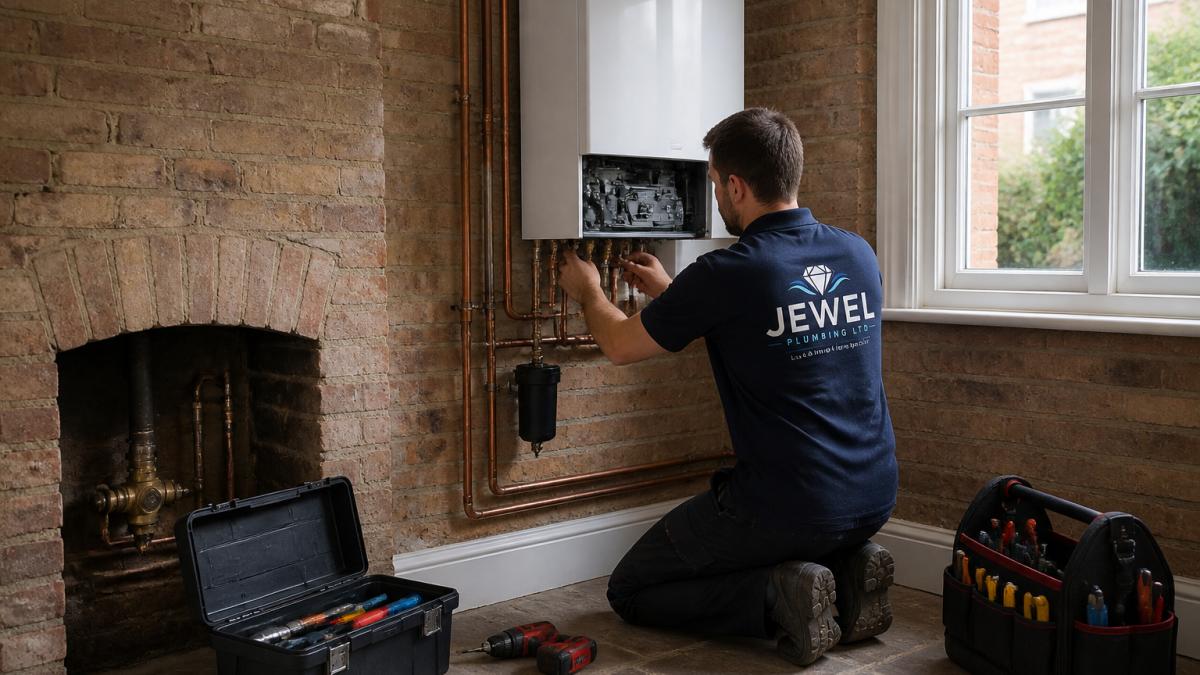
Modern condensing boilers recover heat from exhaust gases, converting it back into usable warmth. This process pushes efficiency above 90%, compared to 60-70% for older models. The payback period typically spans 5-10 years through lower fuel consumption, and you gain a system with fewer breakdowns.
Condensing boilers do require a condensate drain to remove acidic water produced during operation. In older homes, this sometimes means routing a pipe to an external drain or sump. It's a minor installation consideration but worth planning for. We always assess your home's layout during the survey to confirm the best placement.
Size matters too. An oversized boiler cycles on and off more frequently, wasting energy. An undersized one struggles to heat your home adequately. A qualified heating engineer calculates the right capacity based on your property's heat loss, ensuring optimal performance. This is where professional guidance prevents costly mistakes.
Heat pumps for older homes
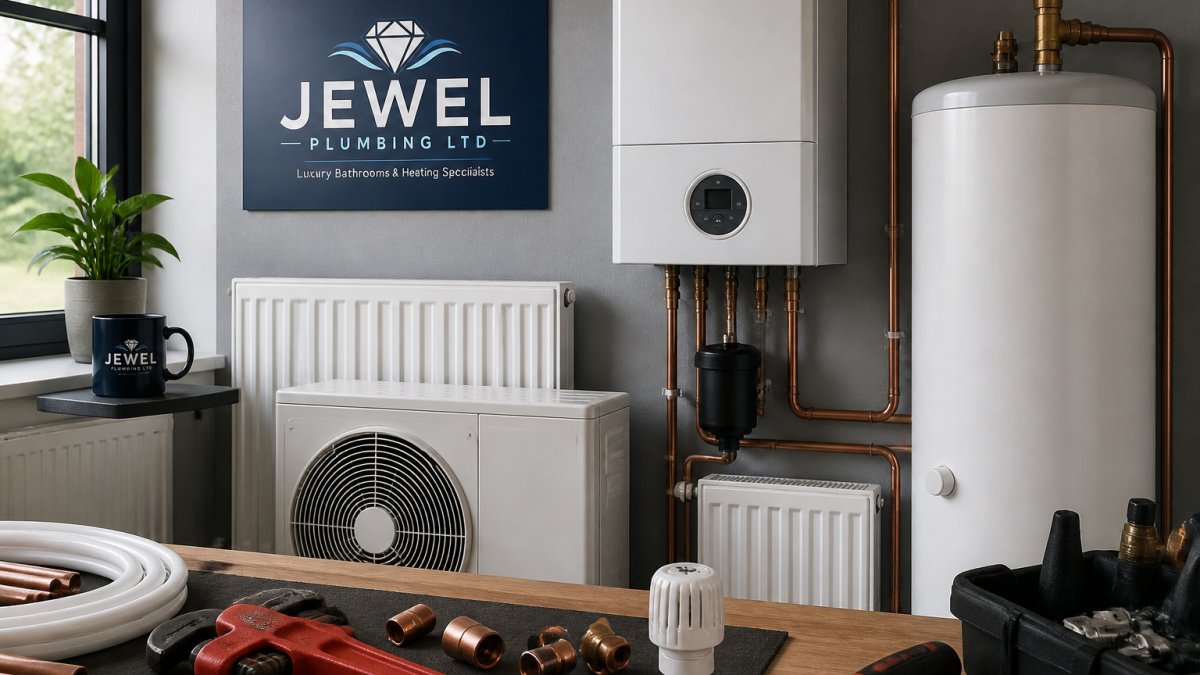
Heat pump technology has advanced significantly, making it a viable option even for older properties with solid walls and poor insulation. Air source heat pumps extract warmth from outside air and transfer it indoors, requiring no gas supply.
The attraction is clear: heat pumps are highly efficient, they reduce reliance on fossil fuels, and they qualify for government support schemes. However, they work best when your home is well-insulated. Older properties with solid brick walls or minimal loft insulation see lower efficiency gains, though they still outperform traditional boilers in most cases.
Heat pumps operate most efficiently at lower water temperatures than traditional radiators prefer. If your existing radiators are small, you may need to upgrade them or supplement with underfloor heating to distribute heat effectively. This adds cost but creates a more balanced system.
Installation involves placing an outdoor unit on your property and running refrigerant lines to an indoor heat exchanger. The outdoor unit is relatively compact and quiet compared to older air conditioning systems. Planning permission is rarely needed, though listed building status or conservation area rules occasionally apply, something we check early in the survey.
Air source heat pump retrofit options
An air source heat pump retrofit transforms your existing heating system with minimal disruption. Rather than replacing your boiler entirely, a retrofit adds a heat pump that works alongside your current system or replaces it.
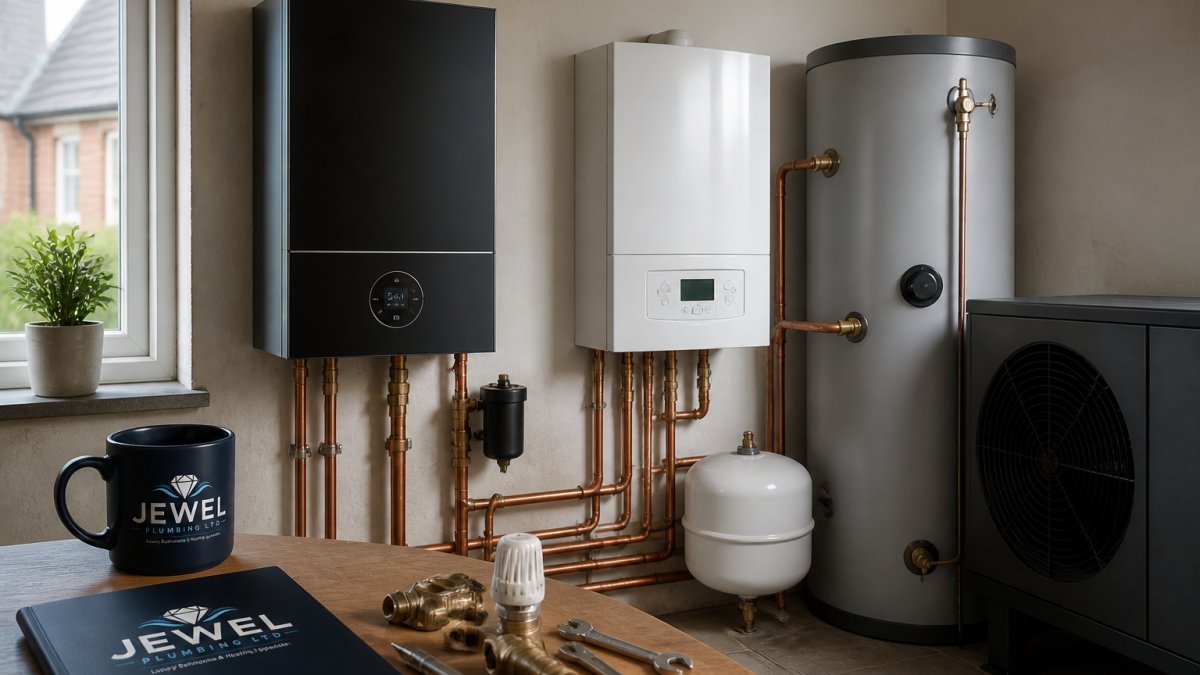
The hybrid approach pairs a heat pump with your existing boiler, which activates only on the coldest days when the pump alone cannot meet demand. This reduces capital cost and maintains a familiar backup system. The boiler runs less frequently, extending its lifespan and reducing fuel bills substantially.
A full retrofit replaces your boiler with a heat pump as the primary system. This requires careful sizing and often involves upgrading radiators or adding underfloor heating. The payoff is maximum efficiency and lowest running costs, but the upfront investment is higher.
Retrofit installation typically takes 2-3 days for a straightforward conversion. Older homes sometimes need additional work, reinforcing outdoor unit brackets, running new pipework, or upgrading electrical capacity. A detailed survey identifies these requirements before work begins, so no surprises emerge mid-project.
Government grants and energy efficiency schemes can offset retrofit costs significantly. Eligibility depends on your property type, current heating system, and energy performance. We help clients navigate these opportunities to reduce their net investment.
Underfloor heating in old houses
Underfloor heating (UFH) transforms comfort in older properties by delivering warmth evenly across floors rather than from radiators in corners. It works particularly well in period homes where radiators interrupt period features or where room layouts make radiator placement awkward.
Wet underfloor heating circulates warm water through plastic pipes embedded in the floor structure. Electric underfloor heating uses resistance cables. For older homes, wet systems are generally more practical because they integrate with your main heating source, boiler or heat pump, rather than creating a separate electrical load.
Installation requires lifting floorboards or removing existing flooring, which is disruptive but manageable room by room. In properties with suspended timber floors, pipes run beneath the boards. In solid floors, pipes sit in a screed layer above the concrete. The choice depends on your floor construction, which a surveyor assesses early.
UFH operates at lower water temperatures than radiators (around 40-45°C versus 60-70°C), making it ideal for heat pumps. This pairing, heat pump plus underfloor heating, creates a highly efficient system perfectly suited to older homes where insulation improvements are underway.
The main limitation is response time. Underfloor systems warm slowly compared to radiators, so they suit properties where you maintain consistent temperatures rather than intermittent heating. In well-insulated homes, this is rarely a problem.
Combining solutions for maximum efficiency
The most effective approach for many older homes combines multiple modern heating solutions rather than relying on a single upgrade. A heat pump paired with underfloor heating and improved insulation creates a system that's both efficient and responsive.
Start with insulation. Loft insulation to 270mm, cavity wall filling if applicable, and draught-sealing around windows and doors reduce heat loss dramatically. This work amplifies the benefit of any heating upgrade, your new system works less hard to maintain comfort.
Layer in a heat pump as your primary heating source. Its efficiency improves as your home loses less heat. Add underfloor heating to ground floors and key living spaces, with radiators retained upstairs or in secondary rooms. This hybrid layout balances comfort, cost, and disruption.
A smart control system ties everything together, optimising when your heat pump runs and adjusting heating schedules based on weather and occupancy. Modern controls learn your patterns and adjust automatically, delivering both comfort and efficiency.
This combined approach typically costs more upfront than a simple boiler replacement. However, the long-term savings and comfort gains justify the investment for homeowners planning to stay in their property for 10+ years.
Getting professional guidance for your home
Choosing the right modern heating solutions for older homes requires understanding your property's unique characteristics. Age, construction type, insulation standard, and available space all influence which options work best.
A professional heating survey is essential. An engineer assesses your current system, measures heat loss, evaluates your home's structure, and identifies any constraints (listed building status, conservation area rules, outdoor space limitations). This survey forms the basis of a tailored recommendation rather than a generic suggestion.
The survey also clarifies costs and timescales. Boiler replacement takes 1-2 days and is the most affordable option. Heat pump installation takes longer and costs more but delivers superior efficiency. Underfloor heating is disruptive but transforms comfort. Understanding these trade-offs helps you make an informed decision.
A professional heating survey identifies which modern heating solutions align with your home's needs and your budget. A good specialist explains the advantages and limitations of each approach honestly, helping you avoid costly mistakes. They should handle everything from initial assessment through installation and aftercare, ensuring your new heating system performs reliably for years.
Frequently Asked Questions
Can a heat pump work in an older house?
Yes, heat pumps work in older homes, though performance depends on insulation quality. Modern heat pumps operate efficiently even in colder climates and can replace traditional boilers. Poor insulation reduces efficiency, but retrofitting insulation alongside a heat pump installation maximises comfort and running costs. Many older properties benefit from a hybrid approach combining heat pumps with existing radiators.
What is the best heating system for an older home?
The best system depends on your home's condition, budget, and long-term plans. A modern condensing boiler offers a straightforward replacement for existing systems. Heat pumps suit homes with good insulation or where you're willing to improve it. Underfloor heating works well during renovation projects. Many homeowners find a combination approach, upgrading insulation, installing a heat pump, and adding underfloor heating to key areas, delivers the best balance of comfort and efficiency.
How much does it cost to upgrade heating in an older home?
Costs vary significantly based on the system chosen, your home's size, and existing infrastructure. A boiler replacement typically costs less upfront than a heat pump installation, though heat pumps offer lower running costs over time. Underfloor heating requires more investment, particularly during renovation work. For a precise quote tailored to your property and chosen solution, contact a heating specialist who can assess your specific needs and provide transparent pricing.
Should I replace my old boiler or upgrade to a heat pump?
If your boiler is failing frequently or nearing the end of its life, replacement is necessary. A modern condensing boiler is the quickest, least disruptive option. Heat pumps require more upfront investment but deliver lower energy bills and better long-term value, especially if your home has reasonable insulation. Many homeowners choose a new boiler now and plan a heat pump retrofit later as budgets allow. A heating specialist can assess your boiler's condition and advise which route suits your circumstances.
Upgrading heating in an older home needn't mean compromising on period character or overspending on unnecessary complexity. The right modern heating solutions balance efficiency, comfort, and practicality. Contact Jewel Plumbing for a professional survey and a clear recommendation tailored to your property. We'll help you choose a system that cuts energy bills, improves comfort, and delivers genuine peace of mind through reliable, expert installation across the West Midlands.