 ultimate-guide
Reliable Commercial Plumbing Services in the West Midlands
Table of Contents
- What Defines a Reliable Commercial Plumbing Service?
- Commercial Gas Safety Certification Requirements Explained
- How Commercial Plumbing Maintenance Contracts Prevent Downtime
- Responding to Emergency Commercial Plumbing Repairs
- How to Vet a Commercial Plumbing Provider in the West Midlands
- Questions to Ask Before You Sign a Commercial Service Agreement
- Conclusion: Securing Reliable Commercial Plumbing Services
- Frequently Asked Questions
Last Updated: September 7, 2026
When a toilet overflows in a busy office or a heating system fails in a retail unit, every hour of downtime costs money. Reliable commercial plumbing services West Midlands businesses can count on are not a luxury; they are an operational necessity. At Jewel Plumbing, we understand that commercial clients need more than a quick fix; they need a partner who delivers professional craftsmanship and lasting results for commercial clients.
This guide breaks down what separates dependable commercial plumbing services from those that leave you stranded. We will cover the hallmarks of reliability, the gas safety rules you must know, how maintenance prevents disruption, and what to ask before signing any agreement. The goal is to give you a clear vetting process so you can secure a provider with confidence.
Below, we outline the five key areas to evaluate. These criteria have helped property managers and office leads across the region avoid costly mistakes.
What Defines a Reliable Commercial Plumbing Service?
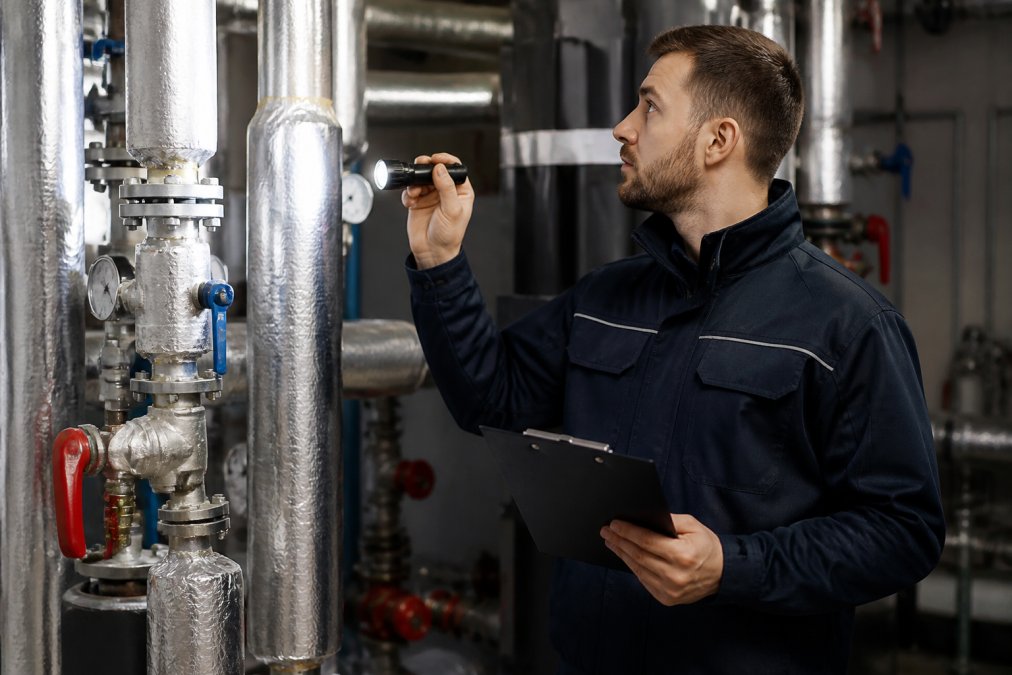
A reliable commercial plumbing service is a provider that responds quickly, completes work to a professional standard, and stands behind the result with transparent communication. Reliability in this context is about more than technical skill; it encompasses punctuality, clear quoting, and a documented approach to safety and compliance.
Several factors separate top-tier providers from the rest:
- Rapid response times: They offer guaranteed slots for urgent call-outs.
- Clear communication: They explain the problem and the fix before starting work.
- Tidy workmanship: They leave the site clean and operational.
- Follow-up support: They check that the repair holds and handle any snags.
A common mistake is assuming a cheap quote signals value. In practice, the lowest bid often leads to repeat visits and higher long-term costs. Look for a provider that balances fair pricing with a demonstrable track record of quality work.
Commercial Gas Safety Certification Requirements Explained
Any business using gas equipment must comply with the Gas Safety (Installation and Use) Regulations 1998. This legislation is the cornerstone of commercial gas safety certification requirements in the UK. It is a legal obligation, not a recommendation.
The key requirements are straightforward:
- Only Gas Safe registered engineers may work on gas appliances.
- Commercial premises need an annual gas safety check on all pipework and appliances.
- A record of the check must be kept for two years.
- Landlords and business owners must issue a copy of the record to tenants or responsible persons.
The Health and Safety Executive guidance on gas safety makes clear that failure to comply is a criminal offence. Penalties can include fines and imprisonment. Beyond the legal risk, a faulty gas system is a serious safety hazard to your staff and customers. When vetting a provider, always ask to see the Gas Safe ID card of the specific engineer who will attend, not just the company registration.
How Commercial Plumbing Maintenance Contracts Prevent Downtime
Commercial plumbing maintenance contracts are designed to prevent small issues from escalating into major disruptions. These agreements provide scheduled inspections and priority response, which minimise the risk of unexpected failures that halt your operations.
A typical contract covers several proactive checks:
- Inspection of pipework for leaks and corrosion.
- Testing of water pressure and flow rates.
- Servicing of boilers and water heaters.
- Clearing of drains and traps to prevent blockages.
- Checking of toilets, taps, and valves for wear.
The value lies in the predictability. Instead of paying a premium for emergency call-outs, you budget a fixed cost for maintenance. This approach is particularly effective for facilities managers who juggle multiple properties. A structured schedule ensures that compliance checks, such as gas safety records, are never missed.
Responding to Emergency Commercial Plumbing Repairs
Emergency commercial plumbing repairs require a different mindset than planned maintenance. When a pipe bursts or a drain backs up, speed is critical to limit water damage and business interruption. A dependable provider offers a dedicated emergency line with a clear response time.
Most reputable firms offer 24/7 cover, but the reality of the response varies. Ask specific questions: Do they have engineers on call overnight? What is their average arrival time for a commercial call? Do they carry stock parts for common failures like toilets and taps?
The first hour of an emergency dictates the extent of the damage. A provider that can isolate the water supply and begin extraction quickly saves you thousands in potential structural repairs. After the immediate fix, a good service will also advise on restoration steps and liaise with your insurer if needed.
How to Vet a Commercial Plumbing Provider in the West Midlands
Vetting a commercial plumbing provider requires checking their credentials, experience, and local reputation. For businesses seeking reliable commercial plumbing services West Midlands, a local provider offers faster response times and familiarity with regional building stock.
Start with these checks:
- Verify Gas Safe registration for any gas work.
- Check insurance: Public liability cover is essential for working on commercial premises.
- Review recent testimonials from similar businesses, not just domestic customers.
- Assess their fleet: A provider with vans stocked with parts is likely to fix issues in one visit.
Ask for references from businesses of a similar size to yours. A provider that handles a single shop may not have the capacity for a multi-storey office block. The Chartered Institute of Plumbing and Heating Engineering standards offer a useful benchmark for professional competence in the sector.
Questions to Ask Before You Sign a Commercial Service Agreement
Before signing a commercial service agreement, you need clarity on scope, pricing, and liability. A well-drafted agreement protects both parties and prevents disputes over what constitutes an emergency versus routine work.
Ask these questions directly:
- What is your call-out policy and hourly rate?
- Are parts and materials marked up, and by how much?
- What is your response time for emergency call-outs?
- Who is the named engineer for our account?
- How do you handle out-of-hours work on weekends and bank holidays?
Pricing models vary. Some providers charge a fixed annual fee for maintenance, while others use a time-and-materials model for repairs. Clarify whether the agreement covers labour only or includes a parts allowance. You should also confirm the notice period for terminating the contract, so you are not locked into a provider that underperforms.
The guidance on managing contractors from the Health and Safety Executive recommends clear communication of responsibilities. Ensure the contract specifies who is responsible for isolating water supplies and who manages the disposal of waste materials.
Conclusion: Securing Reliable Commercial Plumbing Services
Securing reliable commercial plumbing services West Midlands is about building a relationship with a provider that values compliance, speed, and craftsmanship. You need a partner who understands that your business cannot afford downtime and who has the local presence to respond when it matters.
Jewel Plumbing offers expert plumbing support across the West Midlands. Our team combines professional craftsmanship with a 5-star rated service ethos, ensuring your property remains safe, compliant, and operational. From scheduled maintenance to urgent repairs, we provide peace of mind through clear communication and lasting results for commercial clients.
Get started with Jewel Plumbing and secure a service partner who delivers on every promise.
Frequently Asked Questions
What qualifications should a commercial plumber hold?
For commercial work, engineers need the relevant NVQ or City & Guilds qualifications, and anyone working on gas systems must be on the Gas Safe Register. For commercial premises, this often includes specific endorsements for non-domestic gas appliances. Ask to see their Gas Safe ID card and check the back for the commercial endorsements before any work begins. Membership of a recognised trade body like the Chartered Institute of Plumbing and Heating Engineering (CIPHE) is also a strong indicator of professional standards.
How often should commercial plumbing systems be inspected?
Inspection frequency depends on the system and its usage. For commercial gas appliances, the law requires a Gas Safety check at least every 12 months. For general plumbing, such as pipework and drainage, a professional inspection every 6 to 12 months is sensible, and it is often a condition of your insurance policy. A commercial plumbing maintenance contract will schedule these checks for you, ensuring you meet your legal duties as an employer or landlord and preventing small issues from becoming costly emergency repairs.
What is the difference between domestic and commercial plumbing requirements?
Commercial systems operate at higher capacities and pressures than domestic ones. They serve more people, often run continuously, and must meet stricter legal compliance, particularly around gas safety and water hygiene. A plumber equipped to work on larger plant rooms, complex heating systems, and high-volume drainage also understands the compliance documentation that facilities managers and business owners must keep, which is a key part of a reliable commercial plumbing service.
What should an emergency commercial plumbing repairs service cover?
A reliable emergency plumbing service should offer rapid response times, typically within a few hours for critical failures. This includes 24/7 availability, including weekends and bank holidays. The service should cover major leaks, burst pipes, boiler breakdowns, and blocked drains that threaten business operations. Crucially, the provider should be able to carry out temporary repairs to stop damage and return to complete permanent fixes, keeping downtime to a minimum.