 blog
Small Bathroom Refresh Services Knowle: 2026 Guide
Table of Contents
- What Small Bathroom Refresh Services Actually Include
- Durable Bathroom Plumbing Materials That Last
- Small Bathroom Layout Ideas That Create Space
- How Long Does a Bathroom Renovation Timeline Run?
- What a Small Bathroom Refresh Costs
- How to Choose Small Bathroom Refresh Services in Knowle
- Frequently Asked Questions
Last Updated: September 17, 2026
What Small Bathroom Refresh Services Actually Include
Small bathroom refresh services are targeted upgrades that improve how a bathroom looks and works without stripping the room back to brick. The most common request is simple: make a tired bathroom feel new again without a full rebuild.
A refresh is not a renovation. It swaps the visible, touchable elements of the room, such as taps, trays, tiles and fittings, while leaving the pipework routes and walls largely untouched.
That distinction matters because it decides your budget, your timeline, and how long you go without a working bathroom.
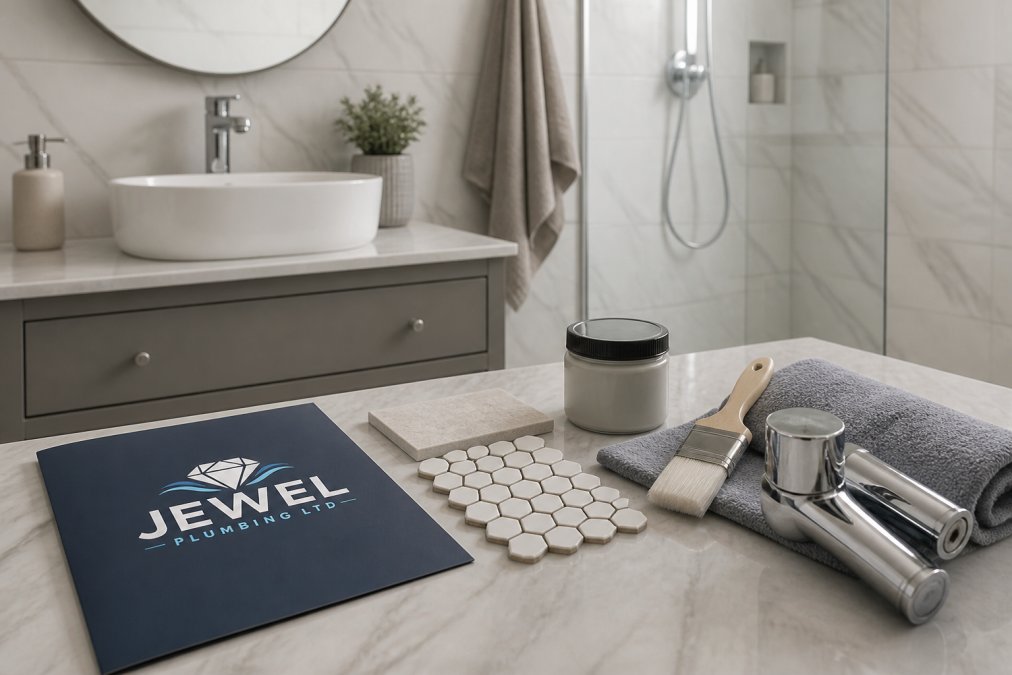
Refresh vs Full Renovation: What Changes
A full renovation moves walls, reroutes pipework and replaces everything down to the floor joists. A refresh keeps the layout and upgrades the surfaces.
In practice, that means a refresh can usually be completed without a building notice, while a renovation that alters drainage or structural elements may need approval. Check the current requirements with your local authority before work starts, as rules vary by project type.
Typical Refresh Jobs and What They Involve
Most refresh work falls into a handful of categories:
- Tap and shower replacement, which changes the feel of the room more than almost anything else
- Tray and enclosure swaps, often the fix for a leaking or discoloured shower
- Toilet replacement, usually straightforward if the waste position stays the same
- Tile refresh, either retiling or regrouting existing tiles to remove mould and staining
- Accessory upgrades, including mirrors, radiators and storage
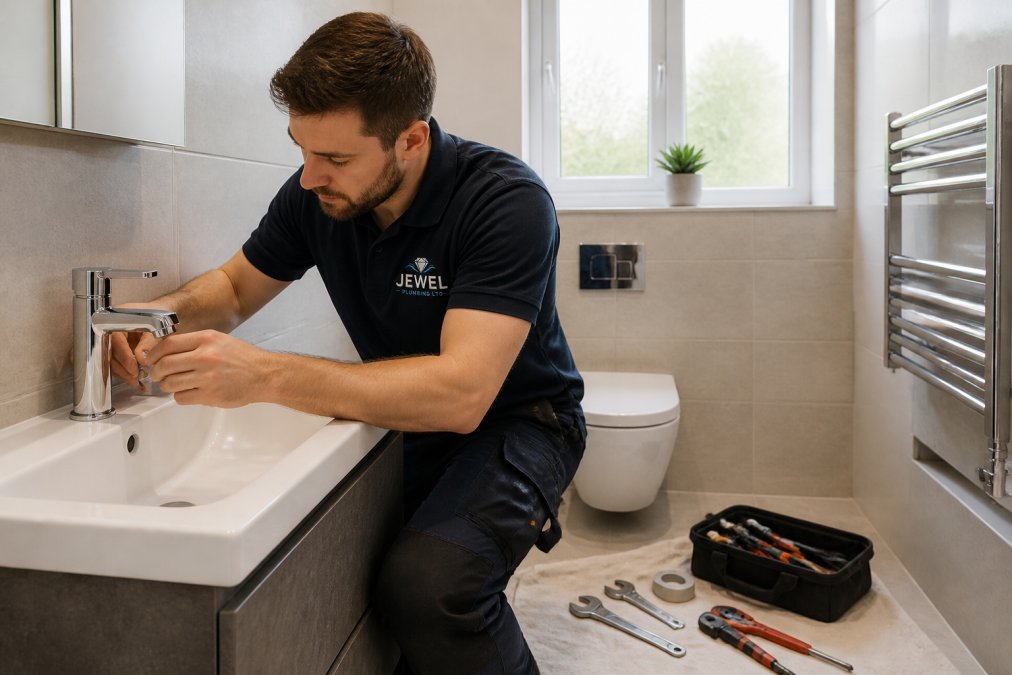
Durable Bathroom Plumbing Materials That Last
Durable bathroom plumbing materials are the components chosen specifically for resistance to water, heat and constant use. The material you pick matters more than the brand name stamped on the box.
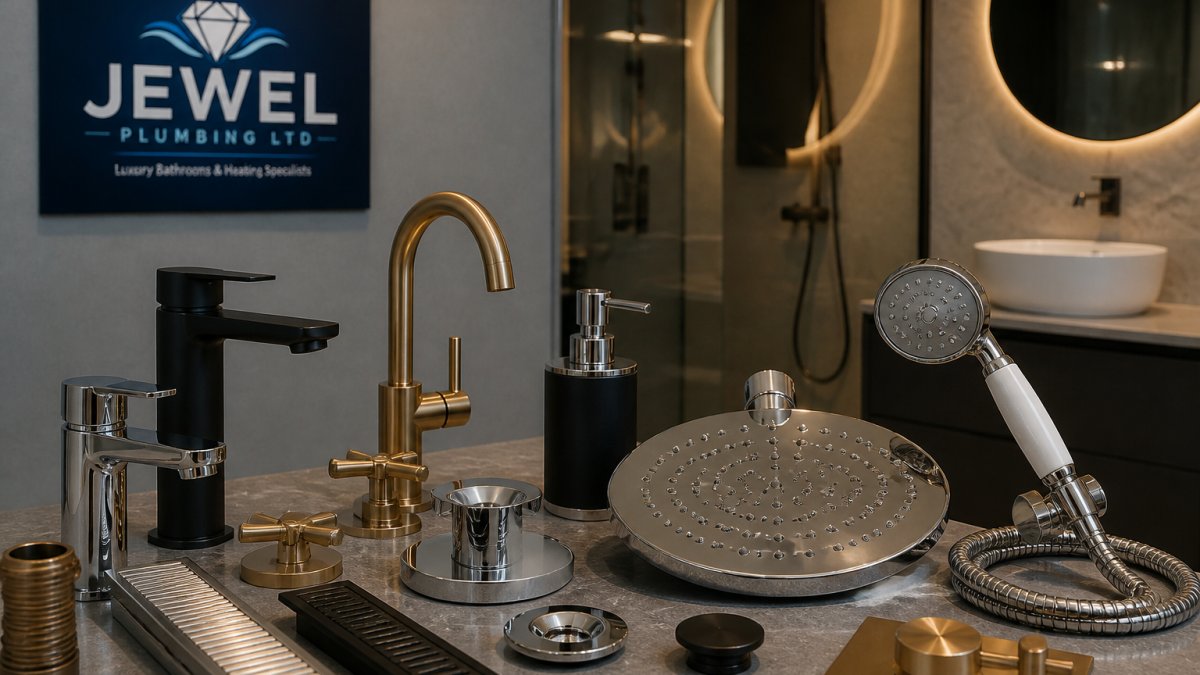
Brass remains the standard for taps and valves because it resists corrosion and holds up under heat cycling. Chrome plating over brass gives the finish most homeowners want, but the brass underneath is what determines lifespan.
For pipework, copper is still widely used for its reliability, while plastic push-fit systems have become common because they are faster to install and less prone to joint failure when fitted correctly. Many plumbers now use a mix of both, depending on access.
- Brass: taps, valves and fittings that take daily wear
- Copper: hot water runs and areas needing long-term reliability
- Plastic push-fit: tight spaces and faster installation
- Ceramic cartridges: tap internals that resist dripping
What most guides miss is that the seal and washer quality often fails before the metal does. Cheap cartridges are the usual culprit behind a tap that starts dripping within a year.
Small Bathroom Layout Ideas That Create Space
Small bathroom layout ideas work by removing visual weight and improving flow, not by adding square metres you do not have. The goal is a room that feels bigger without moving a single wall.
Wall-hung toilets and basins free up floor space and make cleaning easier. A walk-in shower with a fixed glass panel replaces a bulky enclosure and opens up the room visually.
Storage is where most small bathrooms lose the battle. Recessed niches between studs hold toiletries without eating into the room, and a tall narrow cabinet uses vertical space that would otherwise sit empty.
Lighting does more than you would expect. A large mirror opposite the window bounces daylight around the room, and it costs far less than structural work.
How Long Does a Bathroom Renovation Timeline Run?
A bathroom renovation timeline typically runs from a few days for a straightforward refresh to several weeks for a full renovation. The scope of work, not the size of the room, decides the duration.
For a refresh, most jobs break down like this:
| Job Type | Typical Duration | Disruption |
|---|---|---|
| Tap or shower swap | Half a day | Minimal |
| Toilet replacement | Half to one day | Water off for part of the day |
| Retiling or regrouting | 1-3 days | Room out of use |
| Full refresh (multiple items) | 3-7 days | Room out of use |
| Full renovation | 2-4 weeks | Room out of use throughout |
The thing nobody tells you about timelines is that waiting for materials often takes longer than the labour. Special-order tiles and fittings can add days to a job that would otherwise finish quickly.
Building regulations approval, where required, adds time before work can begin. Check current guidance through GOV.UK building regulations approval to understand whether your project needs it.
What a Small Bathroom Refresh Costs
Pricing for a small bathroom refresh depends on the number of items being replaced, the materials chosen, and the condition of the existing pipework. There is no single figure that fits every bathroom.
A like-for-like tap swap costs far less than a job that includes retiling, a new tray and a replacement toilet. Labour is usually the smaller part of the bill once you start choosing premium fittings.
Rather than guess at a number, request a written quote that itemises labour, materials and any contingency. A reputable provider will break this down before work starts, so there are no surprises once the old fittings come out.
How to Choose Small Bathroom Refresh Services in Knowle
Choosing small bathroom refresh services in Knowle comes down to three things: a clear written quote, proof of recent local work, and a clear answer on what happens if something goes wrong after the job.
Ask for references from customers in the area you can actually call. Recent reviews matter more than a five-star average built up over years, because they reflect how the business operates now.
Check that the provider handles both the plumbing and the finishing work, or is clear about which parts they subcontract. A single point of contact makes the job easier to manage.
- Written, itemised quote before work begins
- References from recent local customers
- Clear policy on defects after completion
- Confirmation of who handles each part of the job
- Agreed start and finish dates in writing
For guidance on what a fair contract should include, see Citizens Advice on home improvement contracts. It sets out your rights if work is not completed as agreed.
Jewel Plumbing is 5★ rated and takes on smaller refresh jobs as well as larger refurbishments, with a written quote provided before any work starts.
Frequently Asked Questions
How much does a small bathroom refresh cost?
Costs depend on the scope of work: replacing fixtures, re-tiling, updating pipework or fitting a new suite all carry different labour and material needs. A straight swap of a basin and taps sits at the lower end, while moving a toilet or shower drain pushes it higher. The only reliable figure comes from an on-site survey, so ask for a written quote that itemises labour, materials and VAT before committing.
What is the difference between a bathroom renovation and a refresh?
A refresh keeps the existing layout, pipe runs and wall structure. You upgrade surfaces and fittings: new tiles, a modern basin, a low-profile shower tray, updated brassware. A renovation strips the room back to brick, moves drainage and rewires. A refresh typically takes days rather than weeks, costs considerably less, and avoids the disruption of moving soil pipes or re-plastering entire walls.
Can I update my bathroom plumbing without a full rip-out?
Often, yes. If your pipework is sound and the drainage positions stay the same, a plumber can swap a basin, toilet or shower valve without removing floor or wall tiles. The deciding factor is access: older installations sometimes hide joints behind tiles or under a solid floor. A quick inspection will confirm whether a surface-level update is viable or whether partial opening-up is needed.
Do I need planning permission for a bathroom refresh?
In most cases, no. Internal bathroom updates that keep the room's use and footprint unchanged fall under permitted development. You would only need approval if the work affects a listed building, sits in a conservation area, or involves structural changes like a new window or an extension. If your property is listed, check with your local planning authority before any work starts.
A refresh should make your bathroom feel new, not leave you chasing a tradesperson for answers. Jewel Plumbing handles luxury bathroom refurbishments, reliable boiler installations and expert plumbing support across the West Midlands, with every job quoted in writing and a 5★ rated service behind it. Get started with Jewel Plumbing and book a survey for your bathroom refresh.